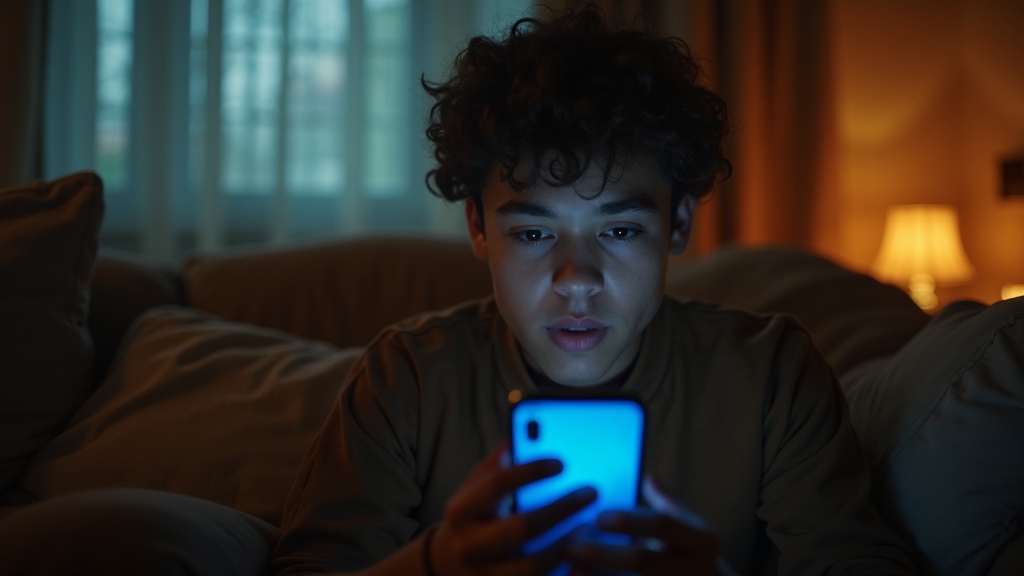
You pull out your phone, tap out a quick message to a friend, and hit send. It feels private, right? Like passing a note across a table. Just you and them.
But here’s the thing most of us don’t think about: that message doesn’t actually travel straight from your phone to theirs. It bounces through cell towers, gets stored on servers, and passes through systems run by your phone company. Along the way, it exists in places you can’t see and probably never think about.
This doesn’t mean someone is actively reading your texts about weekend plans or grocery lists. Most of the time, nobody cares. But the infrastructure that delivers your messages wasn’t really built with privacy as the main goal. It was built to be fast, reliable, and cheap.
The result? Your everyday text messages are a lot more exposed than they feel. They can be intercepted, stored, accessed by your carrier, and in some cases, read by people you’d never expect. Not because there’s some conspiracy, but simply because of how the technology works.
If you’ve ever wondered whether your texts are actually private, or if someone could read them without you knowing, you’re asking the right questions. The answers might surprise you, especially if you’ve been assuming that texting is automatically secure. It’s time to look at what’s really happening when you hit send.
What regular SMS can expose even when the content feels private
When you send a regular text message, you might think the only thing that matters is what you wrote. But SMS actually leaves behind a surprisingly detailed trail of information that has nothing to do with your actual words.
Think of it like sending a postcard through the mail. The message itself is visible, sure. But so is who sent it, who received it, when it was mailed, and every postal facility it passed through. SMS works similarly.
Your phone carrier can see who you’re texting and when, even if they can’t always read the content. They know your phone number and the recipient’s number. They can see how often you message certain contacts and what times of day you’re most active. This metadata, as it’s called, tells a story all by itself.
Regular SMS messages usually aren’t encrypted end to end. That means they can potentially be read by your carrier while they’re being delivered. It’s not that someone is necessarily reading your texts, but the technical possibility exists. The messages travel through multiple systems before reaching your friend’s phone.
Then there’s what happens after delivery. Your messages might get backed up to cloud services automatically. They show up in notification previews on your lock screen where anyone nearby can glance at them. If someone picks up your unlocked phone, your entire conversation history is right there.
Even deleted messages aren’t always gone. Carriers and backup systems may keep copies for their own purposes. The person you texted still has their copy too, obviously. Once you hit send on a regular text, you’ve lost control over where it goes and who might see it.
Who can realistically access your texts in the real world
Let’s get real about who can actually read your messages. The biggest threat isn’t some hacker in a dark room intercepting signals from space. It’s usually much more ordinary than that.
The most common way someone reads your texts? They pick up your unlocked phone. Maybe you left it on a table while you went to the bathroom. Maybe you handed it to a friend to show them a photo. If your phone is unlocked and someone has it in their hands, your texts are wide open.
Cloud backups create another access point people forget about. If someone gets into your Apple or Google account, they can see messages that synced to the cloud. This happens more often than you’d think, especially when people reuse passwords or fall for phishing emails that look like they’re from Apple or Google.
Then there’s the SIM swap trick. Someone convinces your phone carrier they’re you and transfers your number to their device. Suddenly they’re getting your texts, including those handy security codes companies send to verify your identity.
Shared devices are surprisingly risky too. If you’re logged into iMessage or another service on a tablet or computer that other people use, they can see your conversations. Message previews on lock screens also give away more than you might realize, even when your phone is technically locked.
When people ask if texts can be hacked, the answer is usually yes, but not the way movies show it. It’s almost always about someone getting access to your device or your account, not plucking messages out of thin air as they travel through the network.
What message encryption does and doesn’t protect
Think of encryption like a locked briefcase for your message. While it’s traveling from your phone to your friend’s phone, no one can peek inside and read what you wrote. That’s what end-to-end encryption does, and it’s genuinely helpful for secure texting.
But here’s what encryption doesn’t do. It doesn’t protect the message once it arrives on your friend’s phone. They can take a screenshot. They can forward it to someone else. They can leave their phone unlocked on a table where anyone can read it. The locked briefcase has been opened, and now it’s just information sitting there.
Encryption also can’t protect your phone if it’s been compromised. If someone installs spyware on your device or gets your passcode, they can read everything before it even gets encrypted. The lock only works on messages in transit, not on messages that never left a hacked phone.
Then there’s metadata, which is information about your messages rather than what’s inside them. Even with encryption, someone monitoring the network can often see who you’re texting, when you’re texting them, and how often. They just can’t read what you actually said. It’s like seeing the address on that locked briefcase but not being able to open it.
So yes, encryption significantly improves your SMS privacy and helps answer the question of how private are texts. But it’s one layer of protection, not a magic shield. Your messages are more secure, but they’re not automatically invisible or permanent secrets.
Common myths about how private texts are
Most people assume their text messages are private just because they’re sitting on a locked phone. But that’s only half the story. Those messages travel through networks, get stored on servers, and leave copies in more places than you’d expect. Your phone’s passcode protects the device in your hand, not the journey your messages take to get there.
Here’s another common assumption: deleting a text makes it disappear completely. In reality, when you delete a message from your phone, you’re just removing your copy. The person you sent it to still has theirs. Your phone company might have a copy too, stored on their servers for weeks or months. Even on your own device, deleted messages often stick around in backups until those get overwritten.
Many people also believe that having a strong password means their messages are safe from prying eyes. A good password definitely helps keep strangers out of your phone. But it doesn’t protect your texts from being intercepted while they’re being sent, and it won’t stop someone with legal access to your account, like your employer if you’re texting on a work phone, or law enforcement with a warrant.
Then there’s the idea that only celebrities or politicians need to worry about targeted attacks. The truth is more mundane. Hackers often go after regular people because they’re easier targets. A jealous ex, a nosy coworker, or even an automated scam can compromise your messages. You don’t need to be famous to have something worth protecting, whether that’s financial information, personal photos, or just private conversations you’d rather keep private.