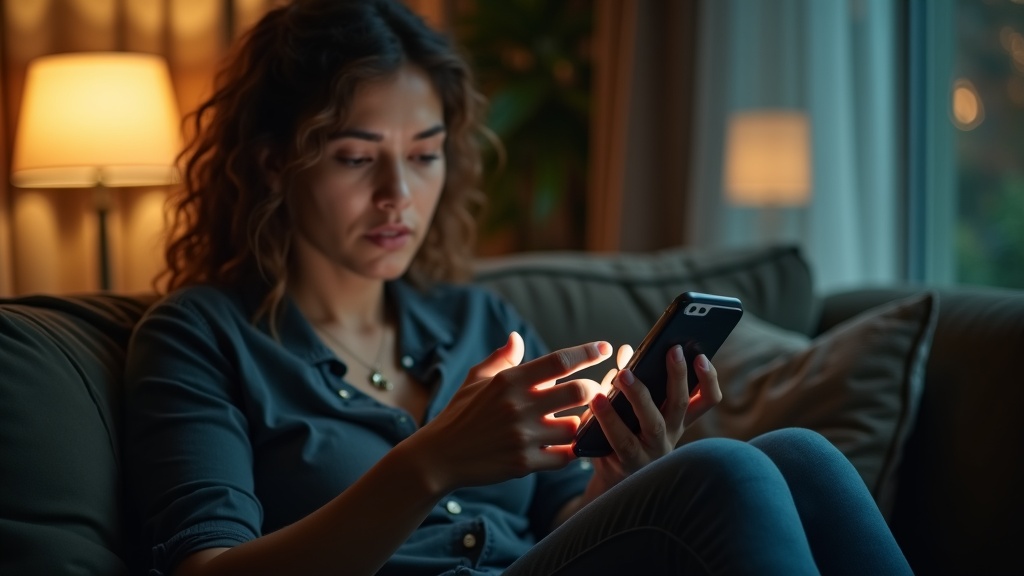
Your phone probably knows more about your private life than most people do. Text messages pile up with everything from medical appointments to relationship conversations to bank codes. And if someone picks up your unlocked phone, or even glances at your screen when a notification pops up, they can see more than you’d like.
The good news? You don’t need to download another app that promises encryption or privacy protection. Your iPhone or Android already has built-in settings that can lock down your messages in meaningful ways. Most people just don’t know these settings exist.
We’re not talking about spy-level security here. These aren’t fixes for government surveillance or determined hackers. But they will keep your messages private from the people most likely to see them by accident: your coworker who glances at your desk, your kid who grabs your phone to play a game, or your friend who picks it up when you ask them to check the time.
The changes take minutes, not hours. You won’t need to learn complicated steps or understand how encryption works. This is about using simple switches and checkboxes that are already sitting in your phone’s settings, waiting to make your private messages actually private. And you can start right now, without installing a single thing.
Control what shows up on your lock screen
Your lock screen is probably the biggest privacy leak on your phone. Every time a message arrives, the text pops up right there for anyone nearby to read. A coworker glances over. Someone picks up your phone to hand it to you. Your partner sees a notification while you’re in the shower. It happens constantly, and most people never realize how exposed their messages actually are.
The good news is you can stop this without any extra apps. Your phone already has settings that control what appears on the lock screen when notifications arrive. You just need to tell it to hide the actual message content.
On most phones, you have a few options. You can hide message previews completely so notifications just say something like “New message” without showing who sent it or what it says. You can set notifications to only show details after you unlock your phone with your face, fingerprint, or passcode. Or you can turn off lock screen notifications for your messaging apps altogether, though you’ll still see them once you unlock.
The exact setting names vary between iPhones and Android phones, and even between different Android brands. Look for words like “lock screen,” “notification previews,” “show previews,” or “sensitive notifications” in your settings. On iPhones, this is usually under notifications settings for each app. On Android, it might be in the lock screen settings or within the notification settings.
The key is finding the balance that works for you. Complete privacy means you won’t see who texted until you unlock. Partial privacy might show the sender’s name but hide the message itself. Either way, you’re closing that window that lets everyone around you read your private conversations.
Make notifications private even when your phone is unlocked
You’re scrolling through your phone at a coffee shop when a message pops up on screen. The person sitting across from you can read the whole thing before you even realize it appeared. This happens all the time, and it’s one of the easiest privacy leaks to fix.
Those message banners that slide down from the top of your screen are convenient, but they show everything to anyone nearby. The same goes for pop-up notifications that appear over whatever app you’re using. Even notification sounds can draw attention at the wrong moment.
Start by changing how much detail your notifications show. On most phones, you can set messages to show just the sender’s name, or even just say “New message” without any preview text. Look for settings like “show previews” or “notification content” in your messaging app’s notification settings.
You can also switch from banners to a quieter style. Instead of messages popping up and demanding attention, they can appear silently in your notification center where you check them when you’re ready. This is usually called changing the notification style from “banner” to “notification center only.”
For times when you need extra privacy, use your phone’s focus modes or do not disturb features. You can set these to activate automatically when you’re at work, in meetings, or during certain hours. Messages still come through, but they wait quietly until you’re ready to check them in private.
The goal isn’t to miss important messages. It’s to control when and how you see them, so a private conversation stays private even when your phone is out in the open.
Lock access to your messaging apps
Locking your phone keeps strangers out. But what about people who already know your passcode, or who grab your phone while it’s unlocked on the table? That’s where app locks come in.
An app lock adds a second layer of protection just for your messaging apps. Even if someone gets past your lock screen, they’ll hit another barrier when they try to open your texts.
On iPhones, you can use Face ID or Touch ID to lock individual apps if the app supports it. Some messaging apps let you turn this on in their privacy settings. Look for options like “Require Face ID” or “Screen Lock.” You can also use Screen Time to set up an App Limit with a separate passcode. When time runs out, the app gets blocked until someone enters that code.
Android phones offer similar features, but the exact tools depend on your device. Samsung phones have Secure Folder, which creates a separate, locked space for apps and files. Google Pixel devices offer a Private Space that works much the same way. Other Android phones might have a built-in app lock feature in settings, or you can use Digital Wellbeing timers with a PIN.
Whatever method you choose, make sure your main device passcode is strong. A weak passcode undermines everything else. If someone can guess your phone’s unlock code, they might be able to reset other protections too. Think of your device passcode as the foundation. Everything you build on top of it depends on that foundation being solid.
Use message privacy settings inside your messaging app
Your messaging app probably has privacy settings you’ve never opened. They won’t make your messages encrypted or anything fancy, but they can stop a lot of everyday privacy leaks without you having to switch apps or learn new habits.
Start with read receipts. These are the little indicators that tell someone you’ve seen their message. Turning them off means people won’t know exactly when you’ve read what they sent. The trade-off is simple: you also won’t see when others have read your messages. Most people find this a fair swap for a bit more breathing room.
Message previews are another quick fix. When someone texts you, does the full message show up on your lock screen or in notifications? That’s convenient until someone’s reading over your shoulder. You can usually set notifications to show just the sender’s name, or even just that you have a new message, without displaying the actual words.
Group chat controls matter more than you’d think. Some apps let you choose whether anyone can add you to a group, or whether you need to approve it first. If you’ve ever been dropped into a chaotic group thread with strangers, you’ll appreciate this one.
Blocking and spam filtering usually live in the same settings menu. Unknown senders can be automatically filtered into a separate folder, so your main inbox stays cleaner and more private. Some apps also let you disable link previews, those little image cards that appear when someone sends a URL. Turning those off means fewer connections to outside servers when you’re just trying to read a message.
Not every phone or app will have all these options, but most have at least a few. It’s worth spending five minutes poking around in your settings to see what’s there.
Reduce what stays on your phone and in backups
The longer a message sits on your phone, the more chances someone has to see it. Old conversations pile up, and most people never think about them until someone else picks up their phone and starts scrolling. The simplest way to protect private messaging is to get rid of messages you don’t need anymore.
Start by deleting sensitive conversations after you’re done with them. If you’ve had a private discussion that doesn’t need to stick around, delete the whole thread. Both iPhone and Android let you delete individual messages or entire conversations with a long press and a few taps. It takes seconds and removes a common privacy risk.
Some messaging apps also let you set messages to auto-delete after a certain time. WhatsApp, Signal, and even Google Messages offer disappearing messages that vanish on their own. It’s not perfect for every conversation, but it works well when you want something to stay temporary by default.
Here’s the catch: deleting a message from your phone doesn’t always mean it’s gone everywhere. Your phone likely backs up your messages to the cloud, and those backups can hang around even after you’ve deleted the originals. On iPhone, check your iCloud settings under your name, then iCloud, then toggle off Messages if you don’t want them stored. On Android, look in Settings under Google or Backup, depending on your phone.
When you get a new phone and restore from backup, old messages you thought were gone might reappear. If you’re serious about keeping certain conversations private, think twice before enabling message backups. Or at least know what you’re restoring before you do it.